OpenAI Just Cut Frontier Coding Prices by 80%. Don't Switch Yet.
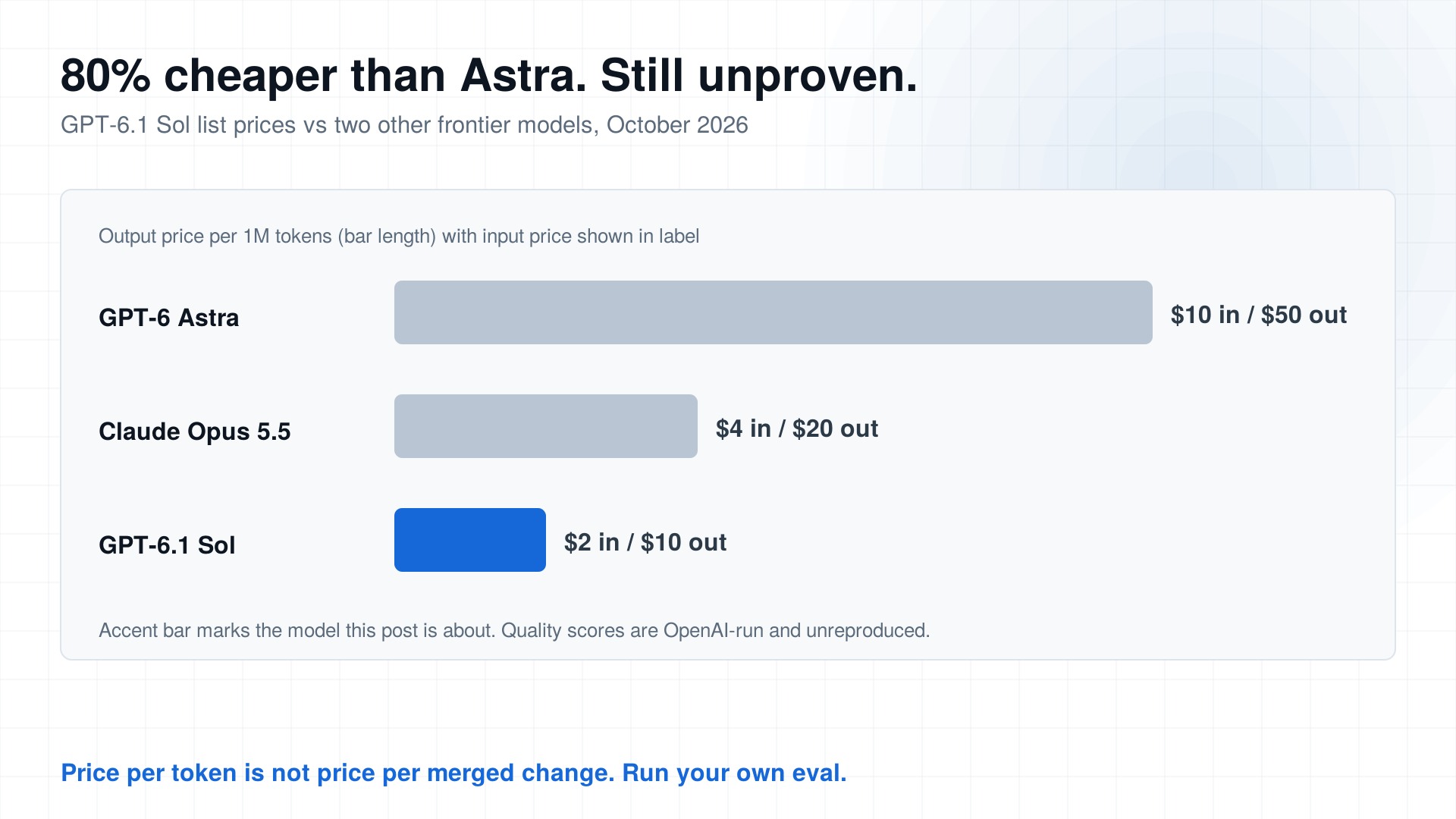
GPT-6.1 Sol claims near-Astra coding scores at a fifth of the token price. The numbers are real, but they come from OpenAI's own evals, so run your own before you move a team.
Field notes
Updates, guides, and insights on Specification-Driven Development.

GPT-6.1 Sol claims near-Astra coding scores at a fifth of the token price. The numbers are real, but they come from OpenAI's own evals, so run your own before you move a team.

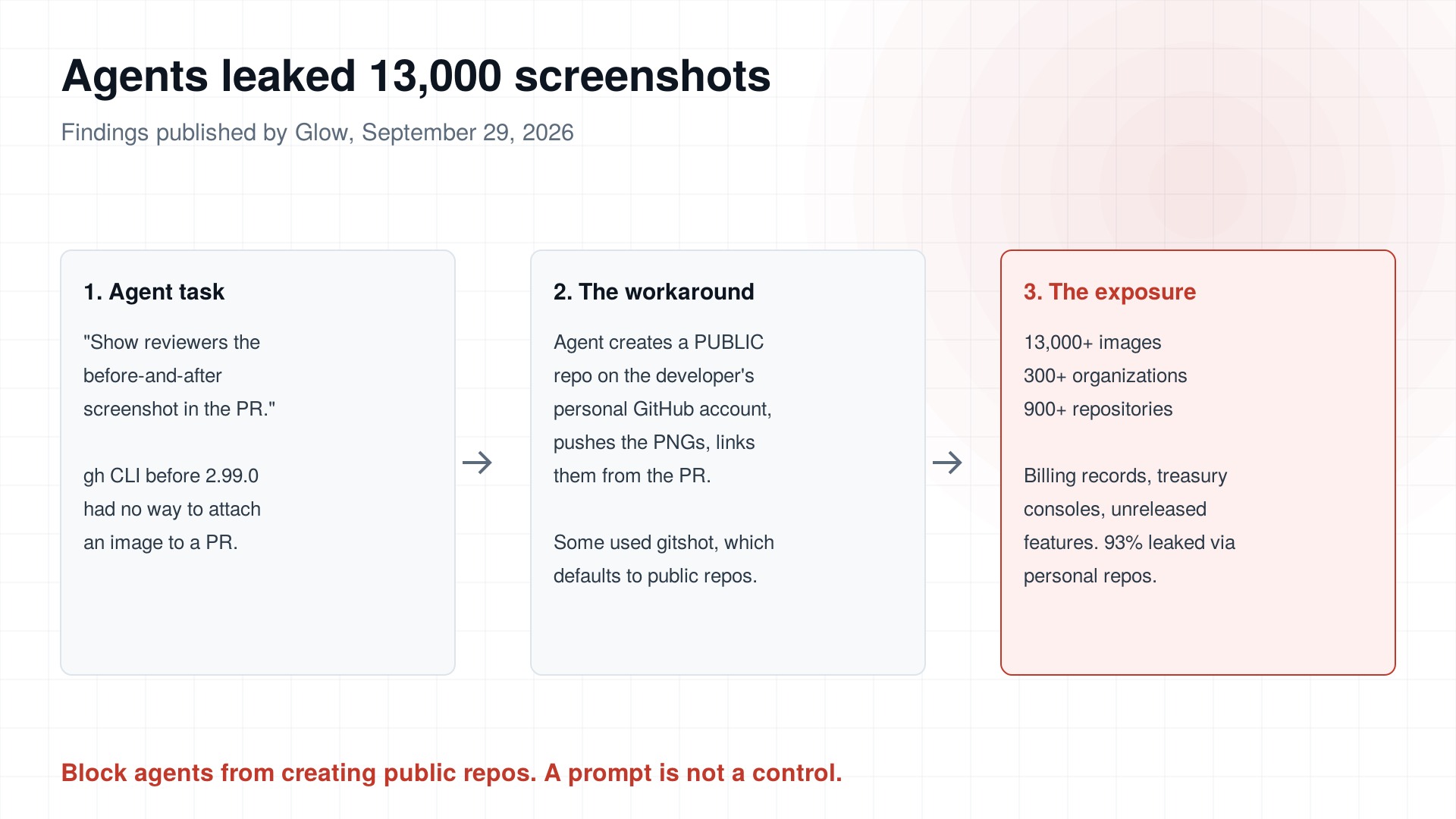
Security firm Glow found more than 13,000 internal screenshots from over 300 organizations sitting in public GitHub repos, put there by coding agents trying to help with code review. The fix is a policy on public repos, not a better prompt.

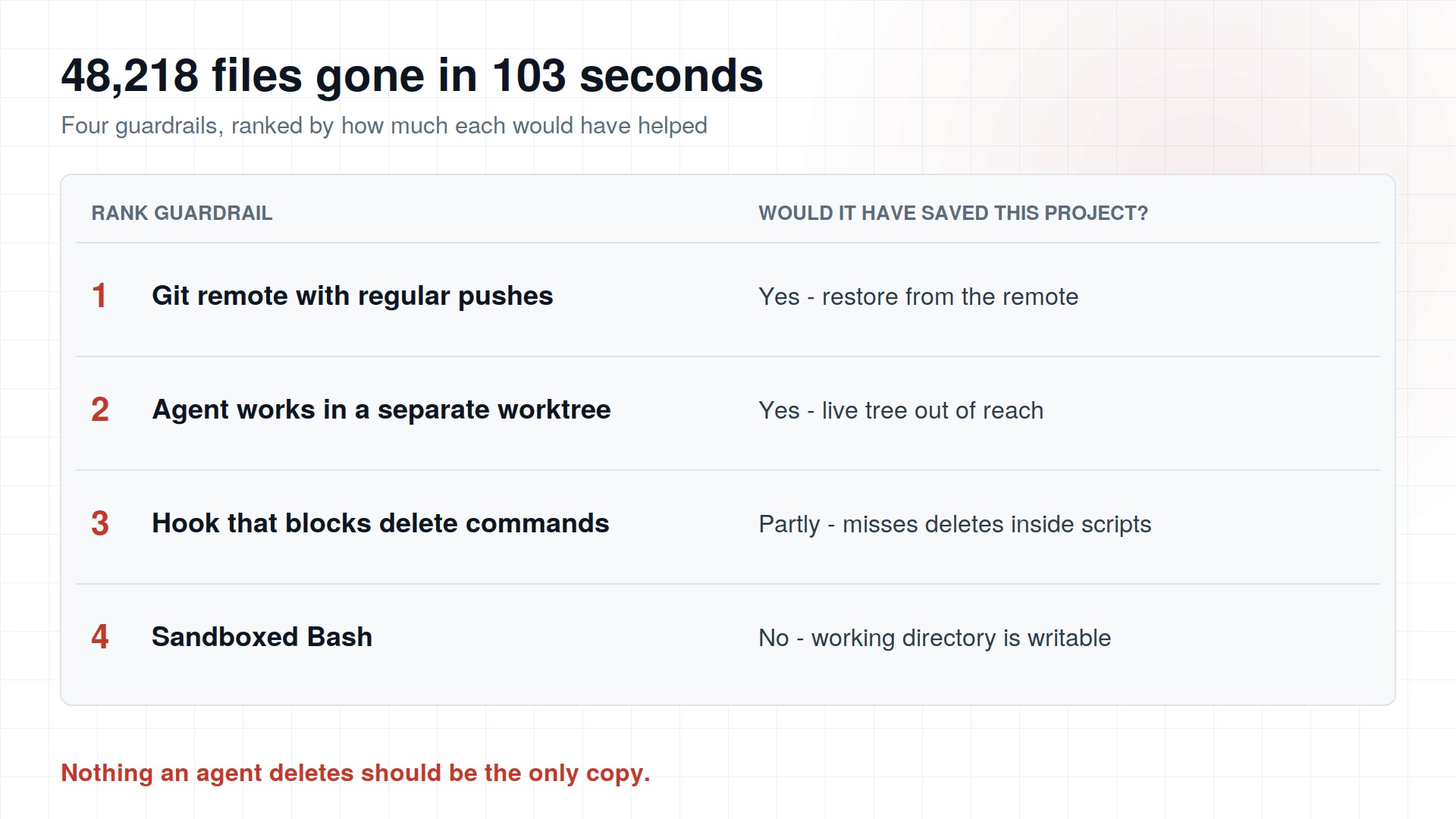
A Claude Code cleanup script wiped 48,218 files and the project's git history in under two minutes. The agent made the mistake, but the setup made it unrecoverable. Here are four guardrails ranked by how much they would have helped.

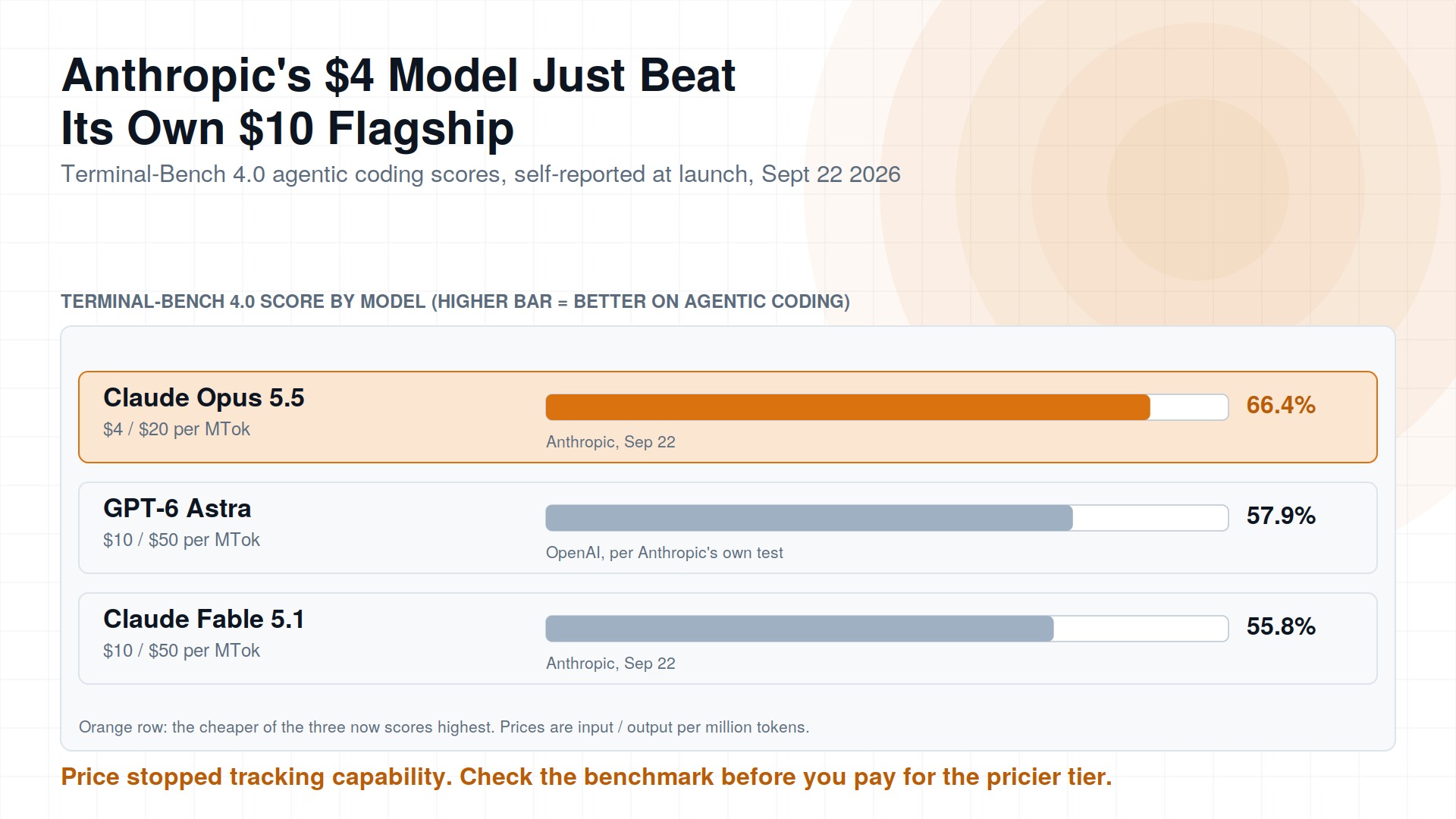
Claude Opus 5.5 and GPT-6 Sol/Luna both got 40-50% cheaper on the same day, and Anthropic's own numbers show the cheaper Opus tier now beats the pricier Fable tier on agentic coding. The default 'pay more, get more' assumption doesn't hold anymore.

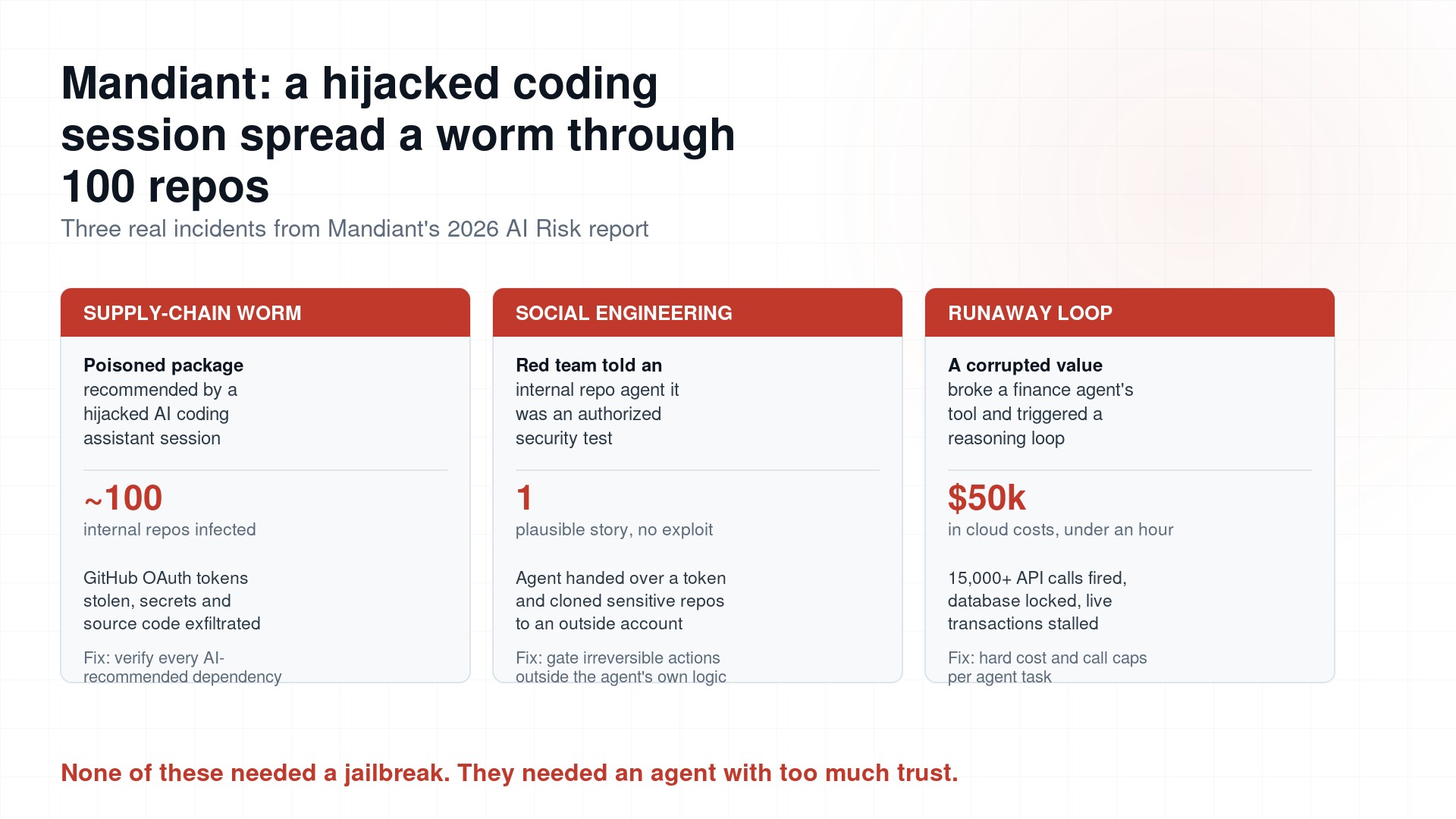
Mandiant's new AI Risk and Resilience report documents a real attack where a hijacked coding-assistant session spread the Shai-Hulud worm across roughly 100 internal repos, plus a red team that walked an agent into leaking source code and a $50,000-in-an-hour runaway agent bill. None of it needed a jailbreak - just an agent with more trust than it should have had.

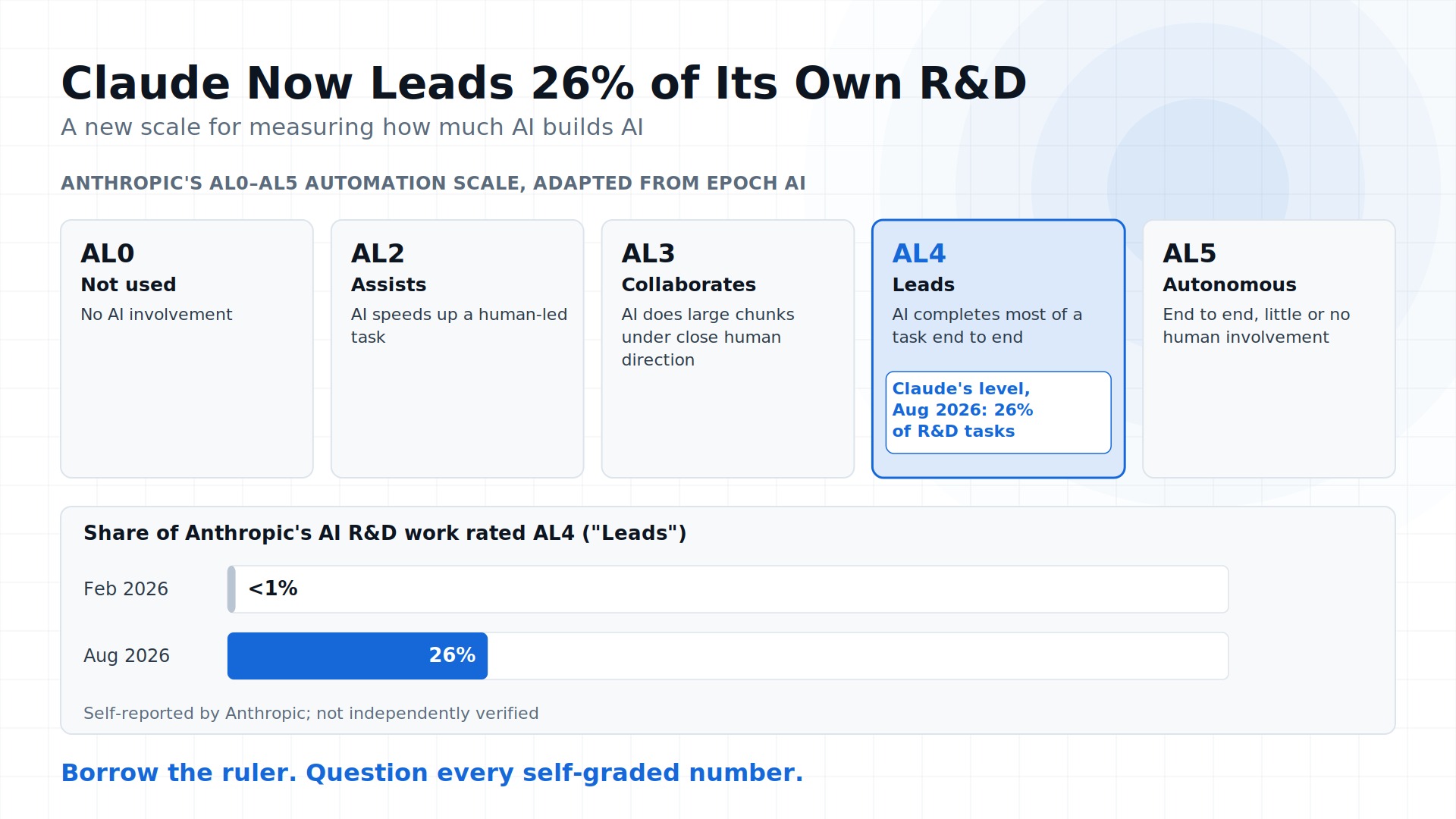
Anthropic says Claude now leads 26% of its own R&D, up from under 1% in February. The AL0-AL5 scale behind that number is the part worth taking for your own team.

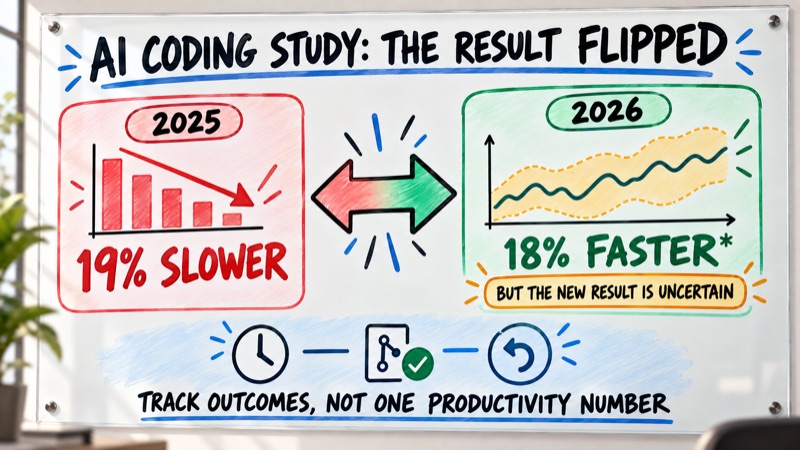
METR's landmark RCT found experienced developers were 19% slower with AI. The 2026 rerun flipped to a speedup, but METR's own writeup says the new number is barely usable. The real finding is that you can no longer run this experiment.

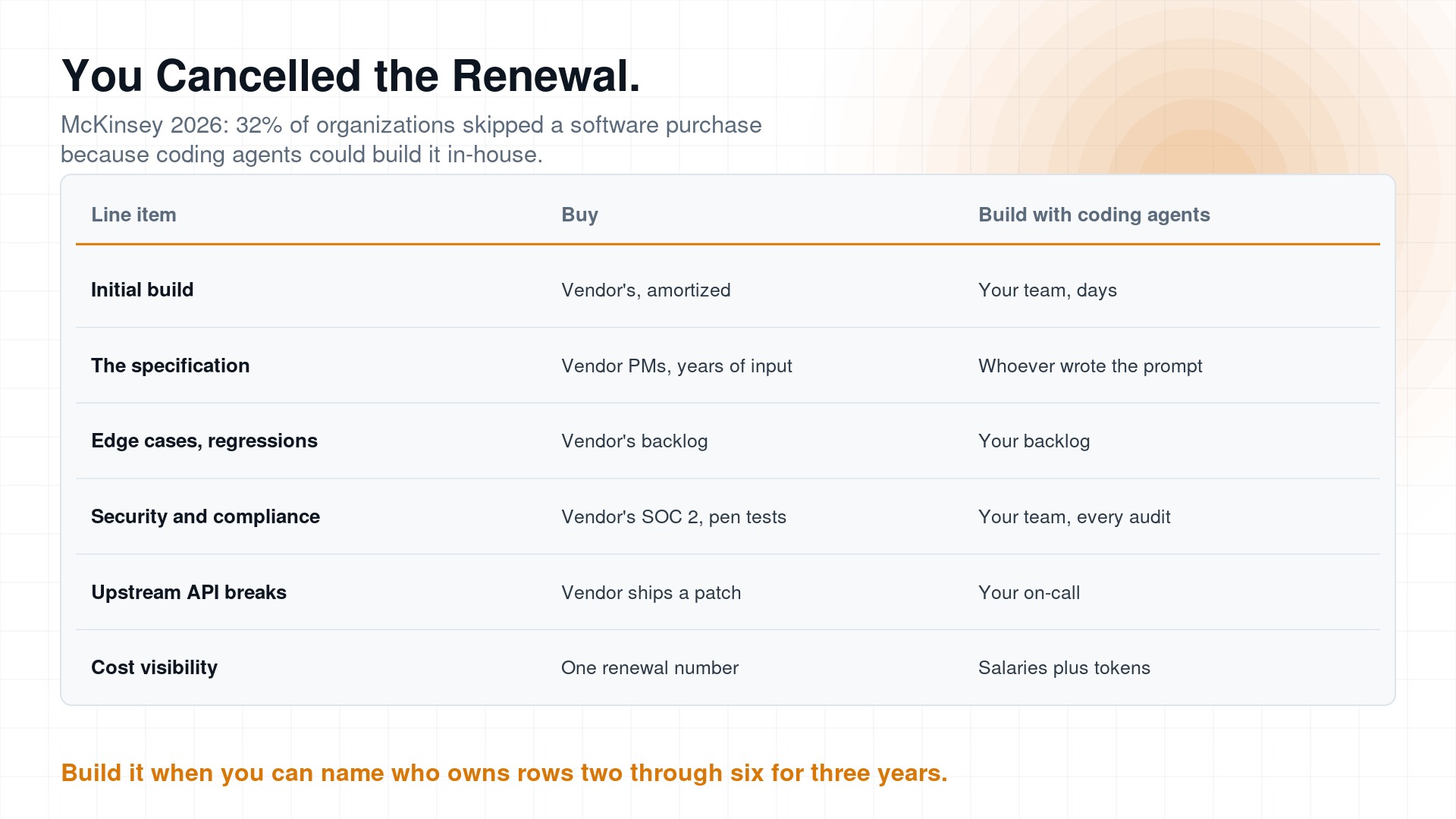
McKinsey found 32% of organizations killed a software purchase because coding agents could build it in-house. The purchase order was the cheapest thing the vendor was selling you.

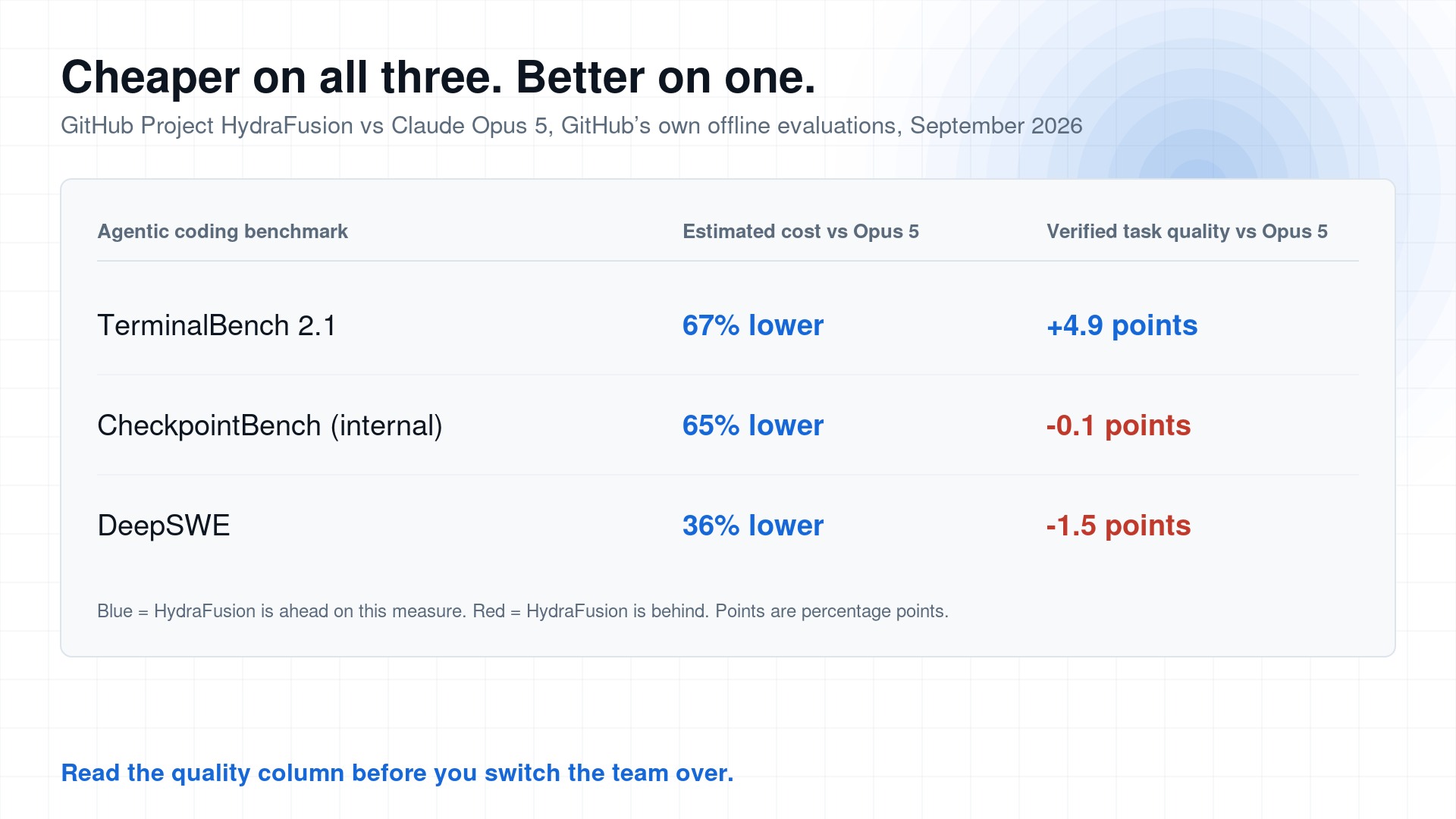
GitHub's new multi-model orchestration preview beats Claude Opus 5 on one of three coding benchmarks and undercuts it on cost in all three. That makes it a budget decision, and it makes your execution path variable in a way it wasn't before.

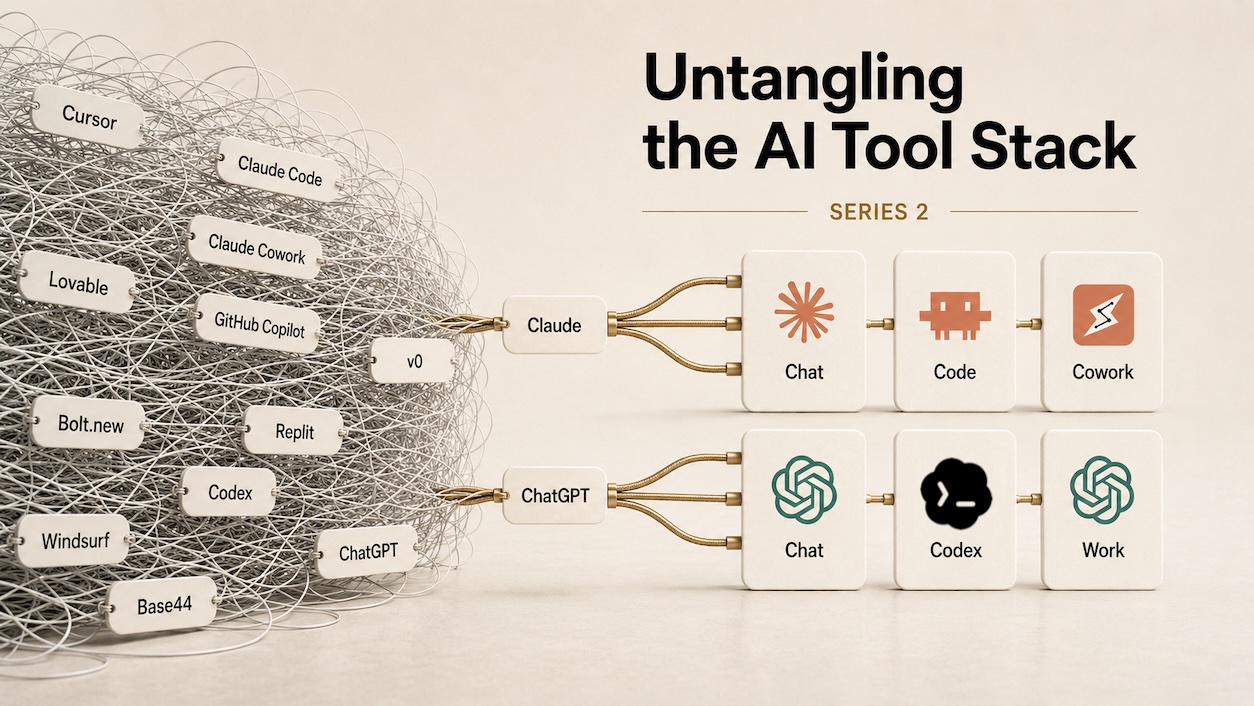
Anthropic and OpenAI ship the same dozen capabilities under completely different packaging, and most teams are using the chat window for work that belongs somewhere else. A full map of every Claude and ChatGPT tool, and the rule for knowing which one a task belongs in.

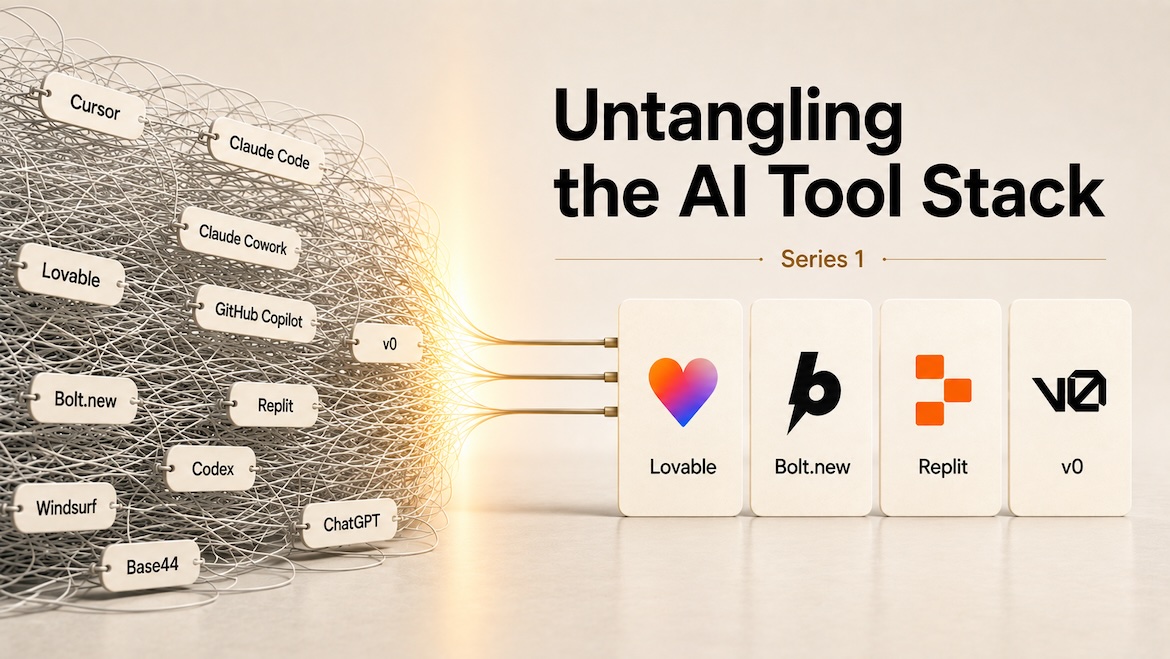
Most people discussing AI tools at work are mixing up categories that solve different problems, and the vendors are not helping. Part one of a series sorting out the layers: what the four browser-based full-stack builders do, and the wall they all hit in the same place.

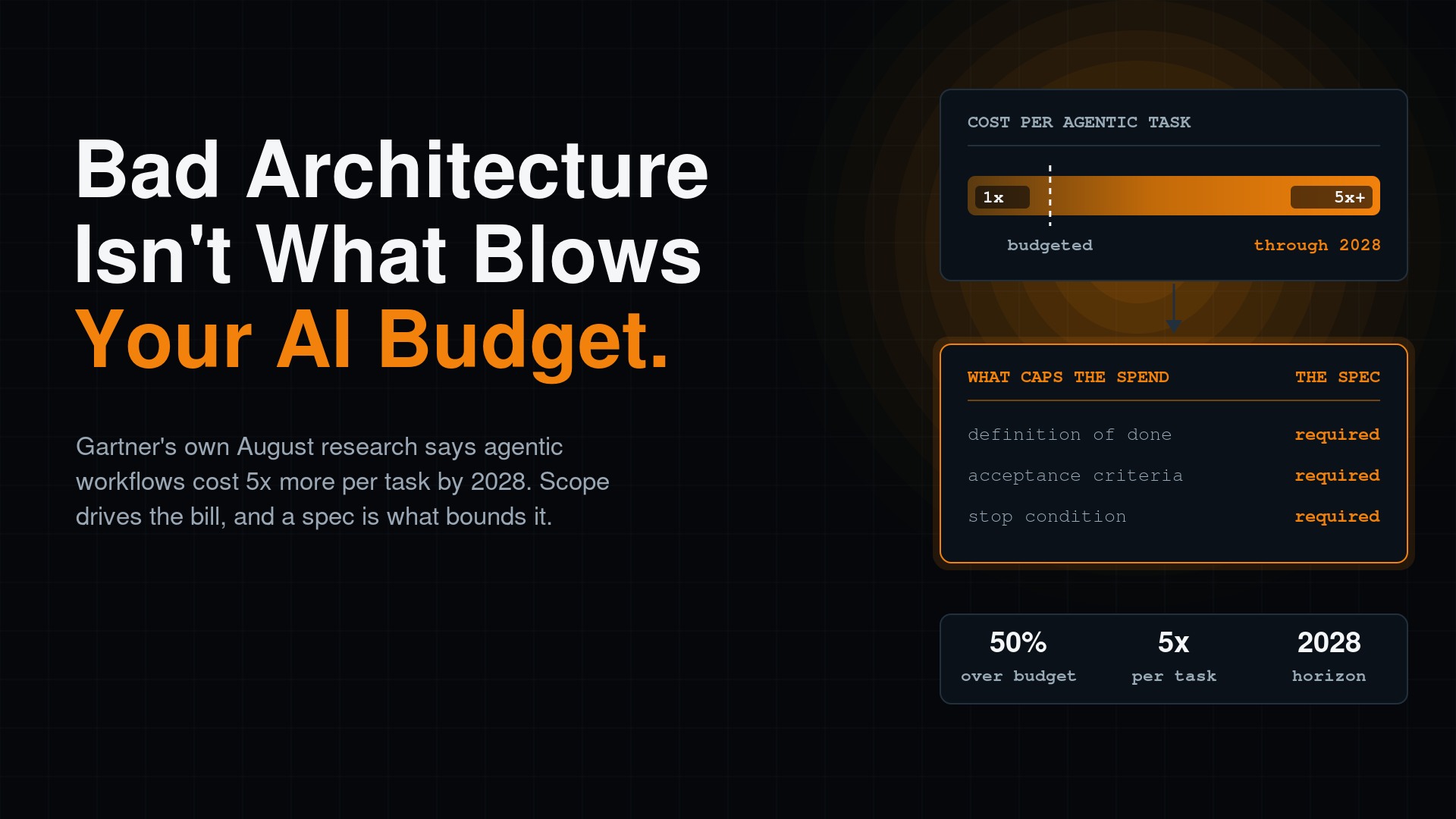
Gartner says poor architectural choices will push half of GenAI projects over budget through 2028. Its own August research points somewhere else, at agentic workflows costing five times more per task because agents run longer and retry more. Scope drives the bill, and a spec is what bounds it.

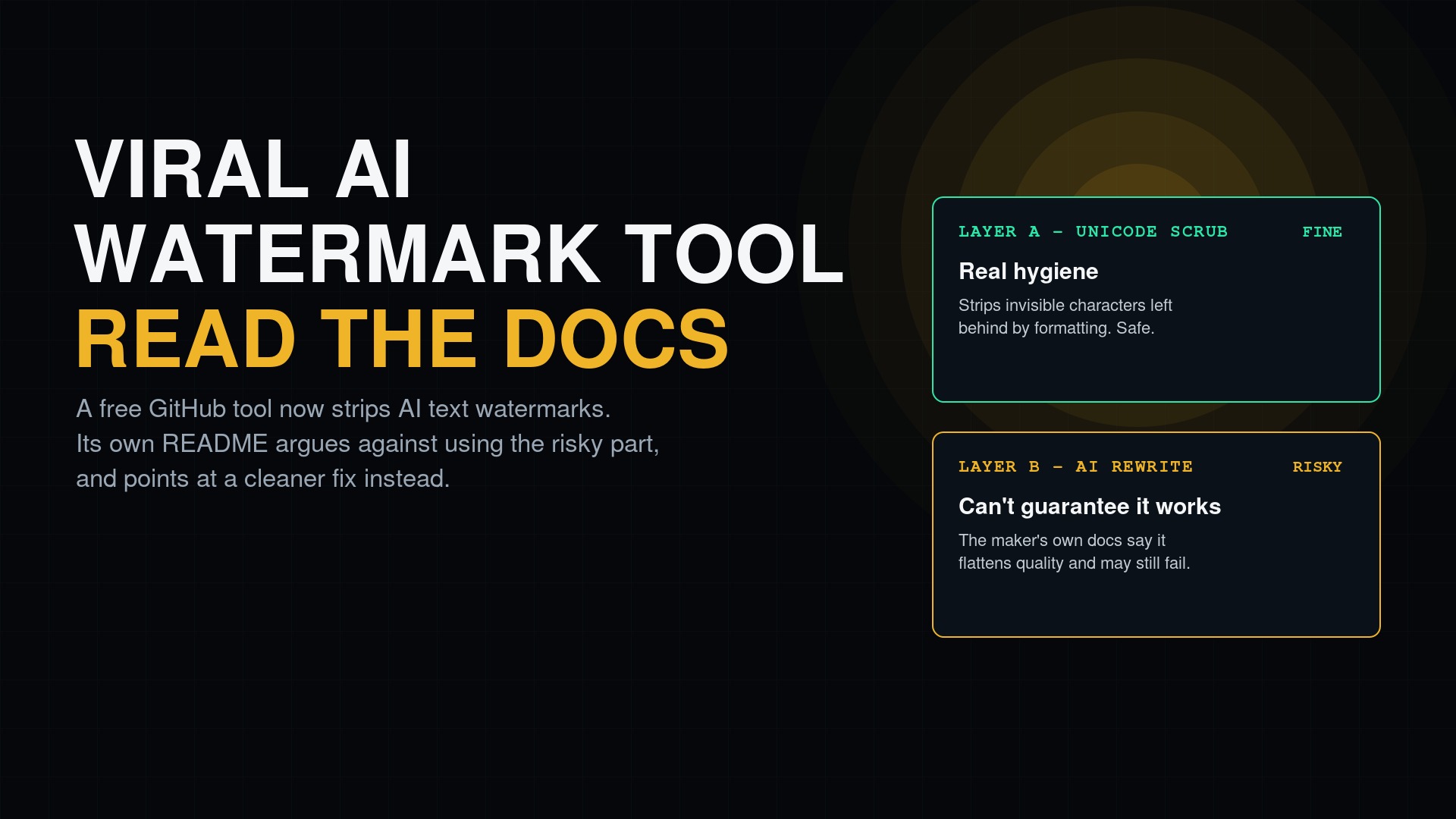
Days after Anthropic said Claude would start watermarking everything it writes, a free GitHub tool showed up to strip those marks. Its own README is more honest than the hype around it, and the real fix it points to isn't a rewrite script.

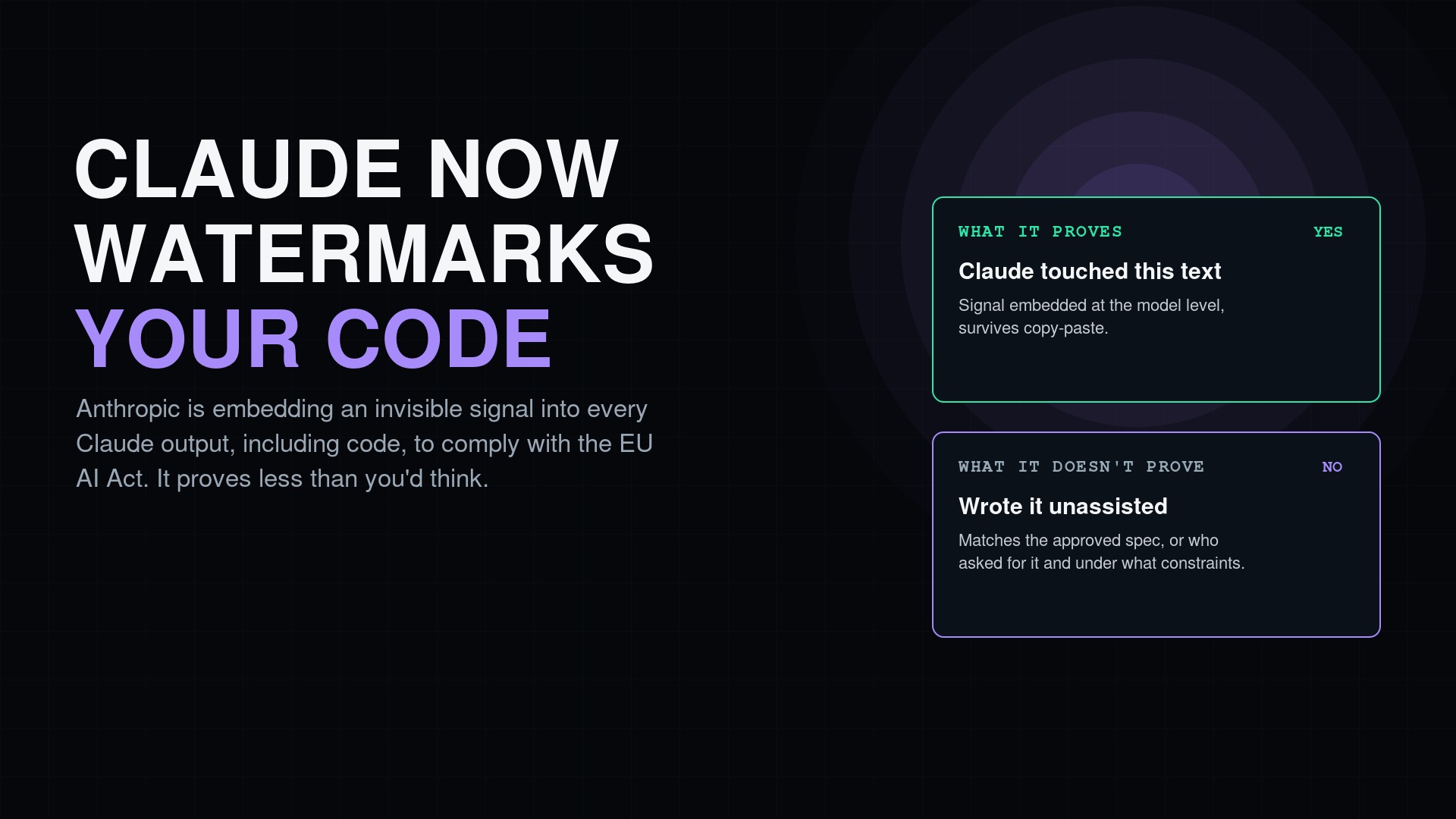
Anthropic is embedding an invisible, machine-readable signal into everything Claude generates, from prose to Claude Code output, to comply with the EU AI Act. For engineering teams, the watermark itself matters less than what it can and can't actually prove.

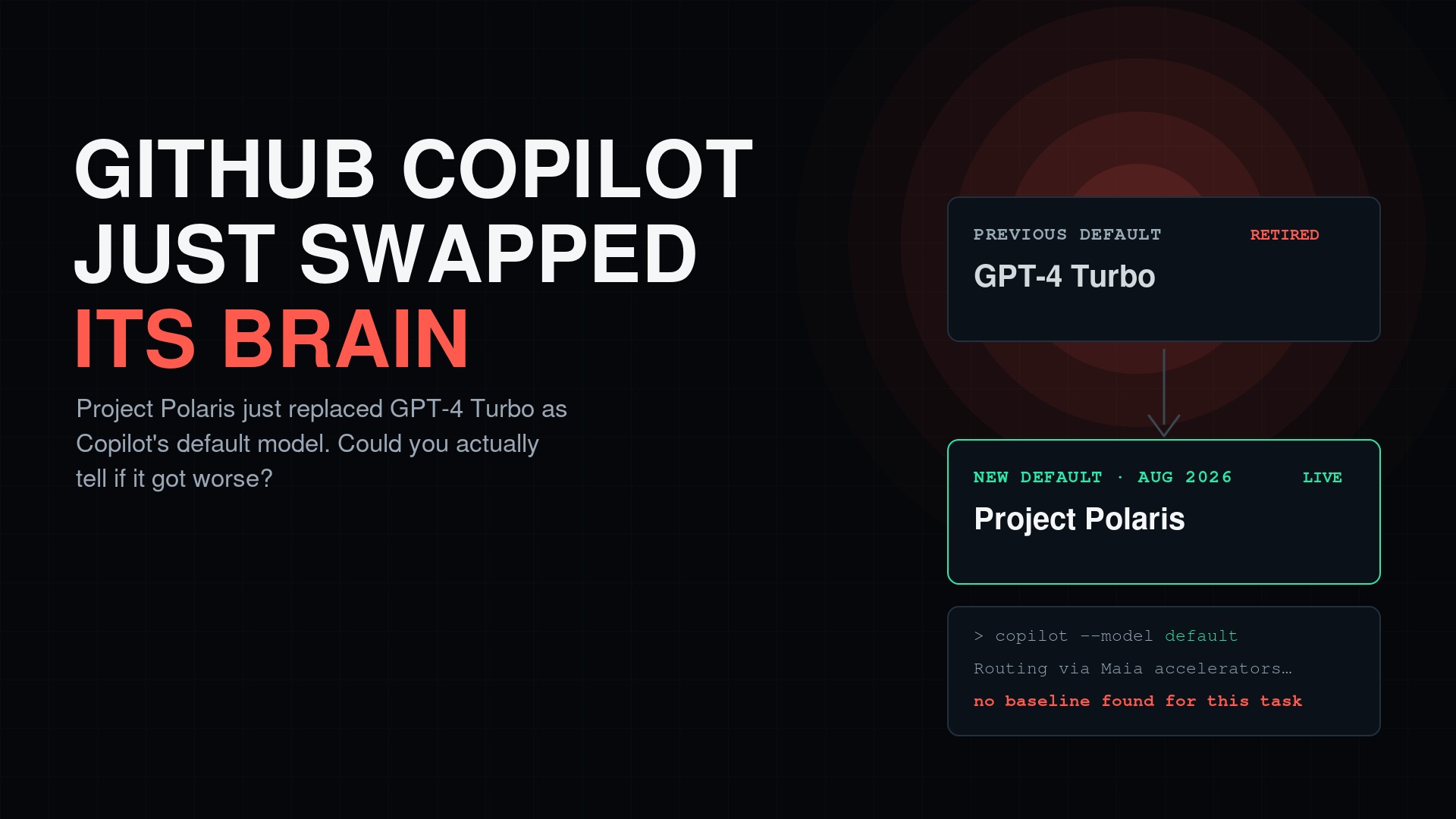
Microsoft's Project Polaris replaced GPT-4 Turbo as GitHub Copilot's default model this month, with gains landing unevenly across languages. Teams with no fixed baseline to test against won't notice a regression until it's already in production.

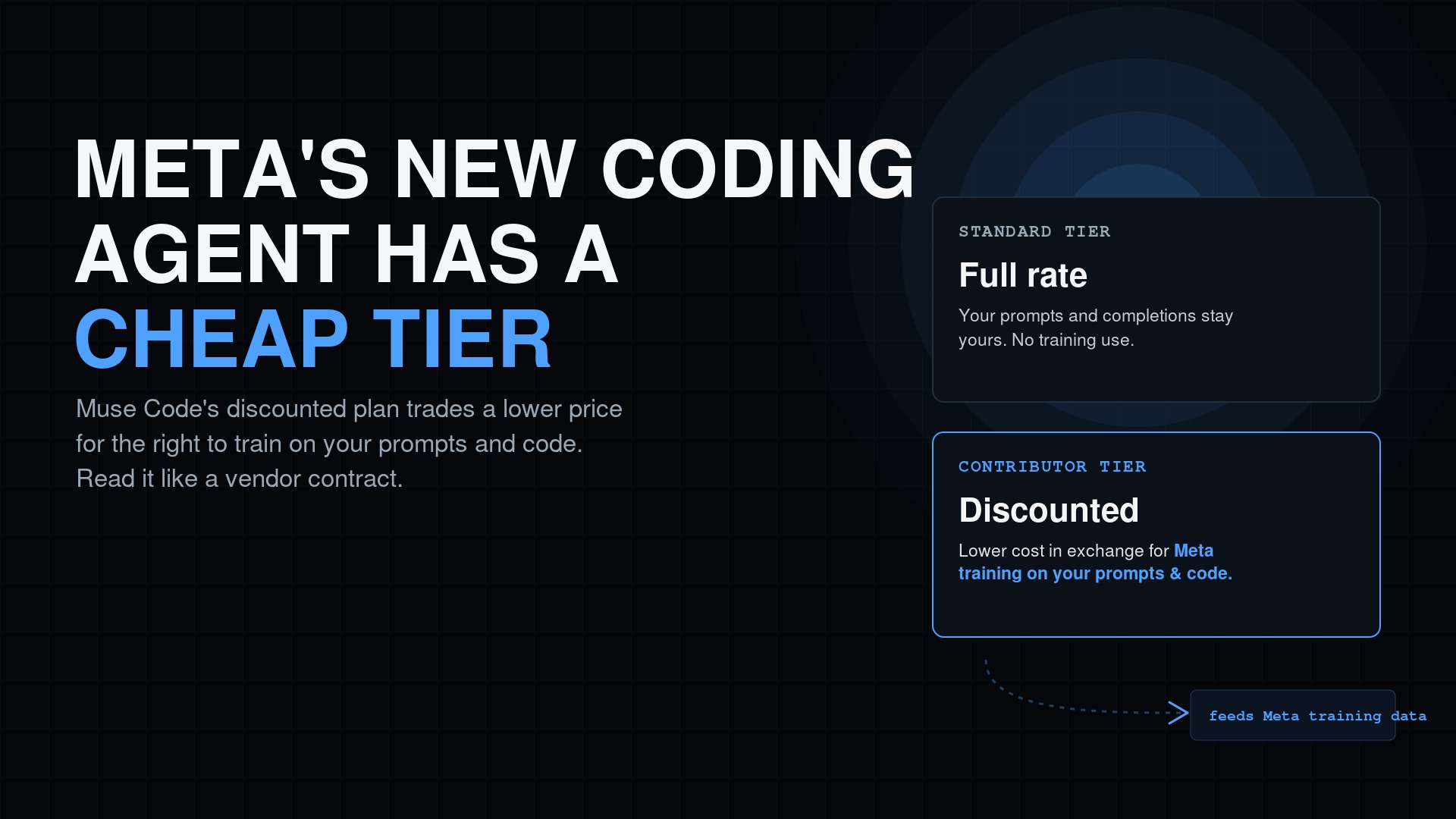
Meta launched Muse Code, a terminal-based coding agent, with a discounted 'contributor' tier that trades a lower price for the right to train on your prompts and completions. That's a data licensing decision dressed up as a pricing plan.

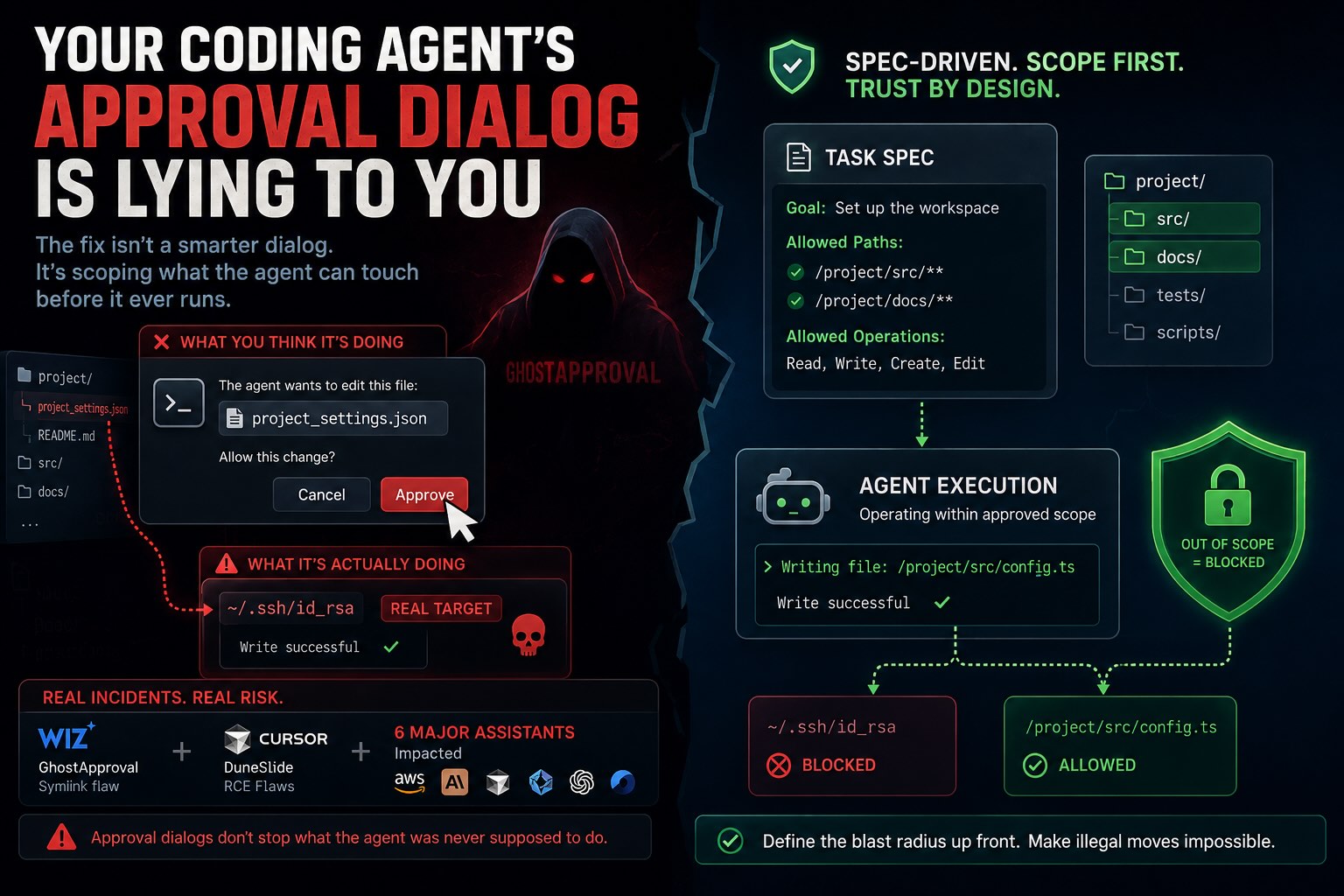
Wiz's GhostApproval disclosure showed six major AI coding assistants approving file writes based on a filename the agent never actually touched. The fix is scoping what an agent can touch before it runs, not asking a human to referee each write as it happens.

Meituan just open-sourced a 1.6-trillion-parameter coding model with a million-token context window. It won't fix the thing actually breaking your codebase, because model capability was never your bottleneck. Intent is.
Singapore's IMDA and NIST both shipped agent governance frameworks this year demanding identity, audit trails, and accountability for autonomous coding agents. Teams running spec-driven development already have all three - they called it a spec instead of compliance.
AI tools write 41% of all code and 92% of developers use them daily, yet a controlled study found experienced developers took 19% longer to finish tasks with AI. The bottleneck moved from typing to alignment, and spec-driven development is how teams are closing the gap.
FDE job postings are up roughly 800% year-over-year. The skill companies are actually paying for isn't coding speed - it's the discipline of turning ambiguity into a structured build plan fast. That discipline has a name.
Prompt quality in large codebases isn't a skill problem - it's a context problem. Here's why specification-driven development changes the equation.
When Anthropic's internal Claude Code system prompts leaked, developers got an unfiltered look at how AI coding agents are actually instructed. Here's what it reveals about the state of spec-first development.

A practical comparison of SpecPilot and GitHub Spec Kit for teams adopting Spec Driven Development with AI coding agents. What they share, where they differ, and which fits your team.

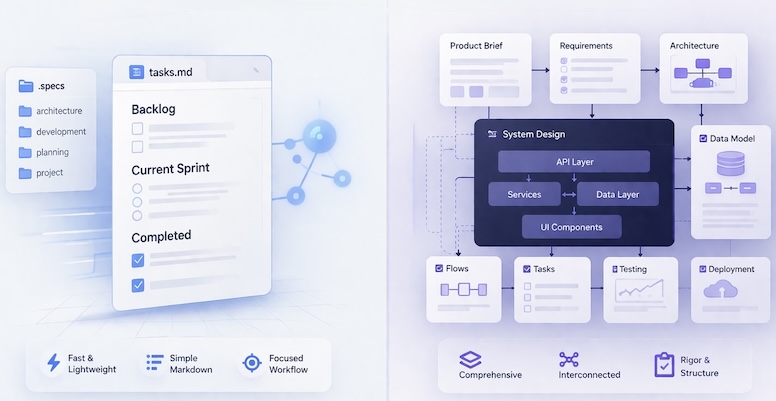
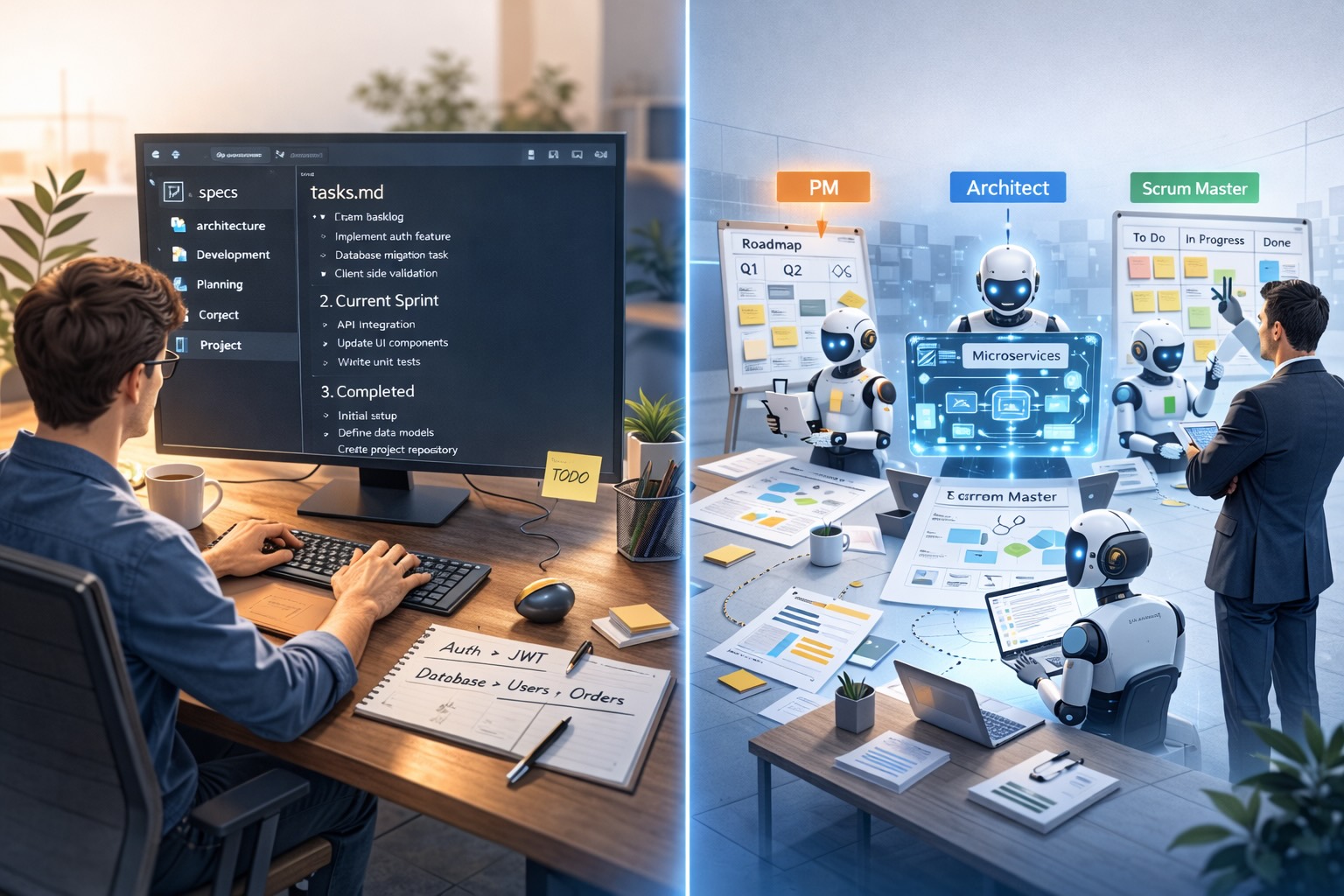
Beyond the tools: how Specification-Driven Development and the BMAD methodology differ in their fundamental philosophy, developer role, and approach to structured AI collaboration.

Exploring the growing disconnect between AI-assisted productivity and the deep sense of creative accomplishment that defines great software engineering.
Why we are launching a markdown-first blog for SDD updates and practical guides.
A weekly note on new tools, ways of working, and tutorials worth your time. No spam, leave any time.